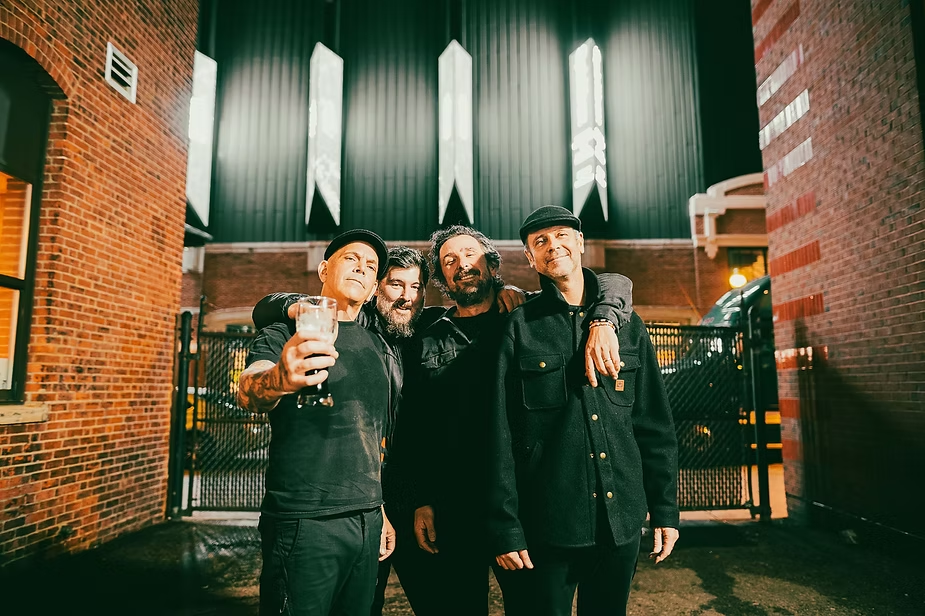

In a return to the racket and roar of unvarnished punk expression, Essex outfit Rat Boy have flung open the doors once more with their latest single, “Broken,” a snarling, guitar-lashed dispatch heralding the arrival of their forthcoming long-player Crash!, due June 26 via Hellcat Records.
Fronted by the irrepressible Jordan Cardy and forged alongside bandmates Harry Todd, Liam Haygarth, and Noah Booth, Rat Boy’s newest effort signals a deliberate shedding of polish in favor of immediacy. Co-written with punk luminary Tim Armstrong, the track surges with the restless urgency of 1990s underground rock, pairing jagged riffs with anthemic hooks that refuse to sit still.
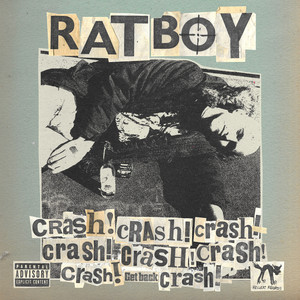
Yet it is not merely the sound that marks this chapter—it is the method. Retreating from the sterility of traditional studios, the band constructed a makeshift recording compound in the garden of rock ‘n’ roll stalwart Suzi Quatro. Two wooden sheds, scarcely insulated and brimming with chaotic energy, became the birthplace of Crash!, an eighteen-track testament to instinct over perfection. Drummer Noah Booth reportedly dashed between rooms to capture takes, lending the recordings a breathless, near-live immediacy rarely heard in modern productions.
“We didn’t need to add anything artificial,” Cardy remarked of the sessions. “What you hear is real—loud, imperfect, alive.”
The album itself, sprawling across eighteen cuts, draws from the band’s relentless touring across Europe, channeling the sweat-soaked vitality of the stage into recorded form. Tracks such as “High Life,” “Make Me Stay,” and “No Stars” promise a continuation of this ethos—tight, driving, and unfiltered.

Since their emergence from the UK’s fertile DIY scene, Rat Boy have carved a distinct lane—melding punk, indie rock, and hip-hop sensibilities into a sound both nostalgic and forward-driving. With accolades including a BBC Sound Of nomination and an NME Award, the band now stands poised at a crossroads between reinvention and reaffirmation.
If “Broken” is any indication, Rat Boy are not seeking refinement—they are chasing truth. And in doing so, they remind listeners that sometimes the most vital music is not the cleanest, but the loudest, the roughest, and the most defiantly human.