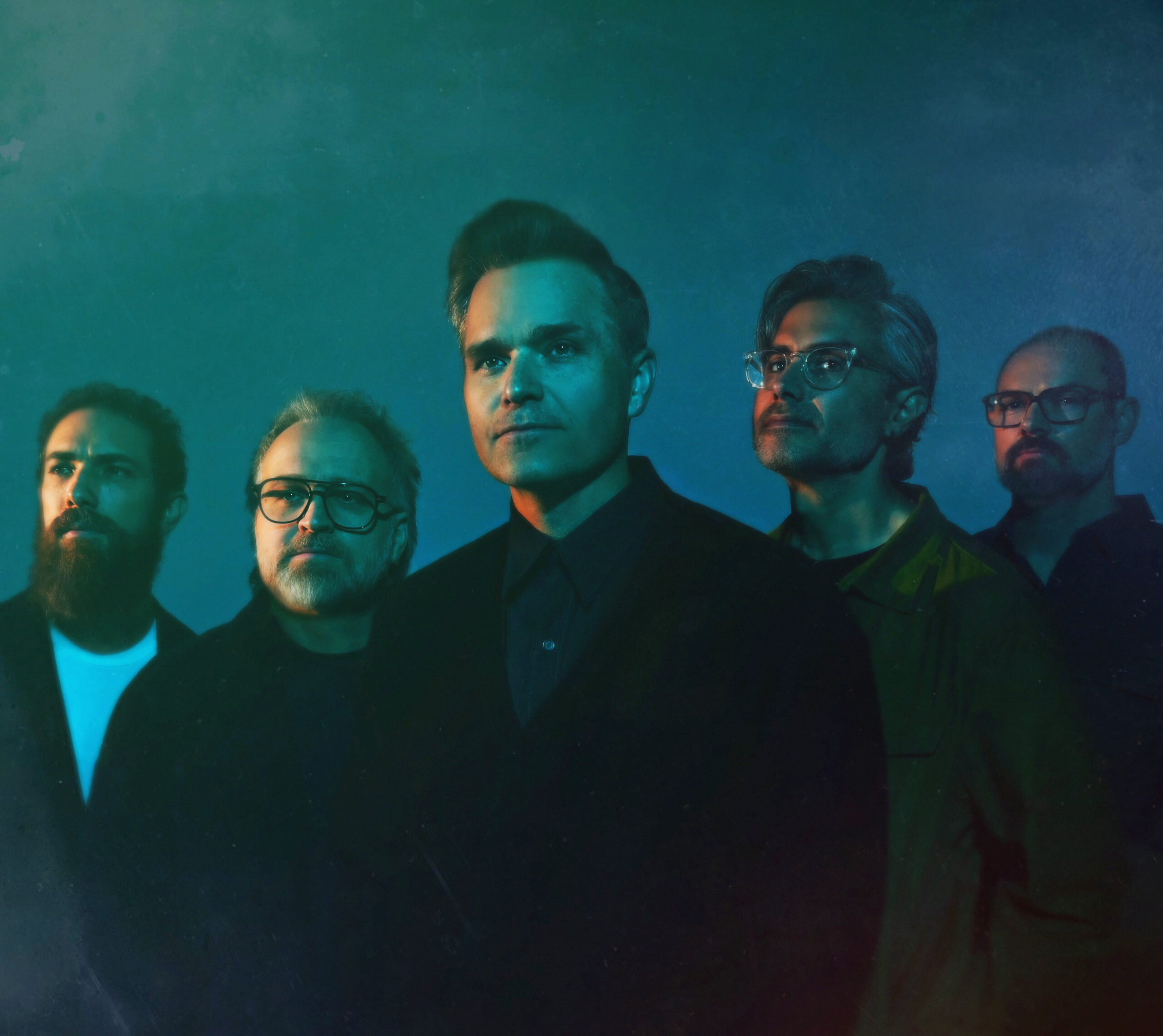

Brian Newman continues to build his career in the shadows of midnight lounges, underneath the billowing smoke, and through the velvet curtains. For more than twenty-five years, the Grammy-winning trumpeter, vocalist, producer, arranger, and bandleader has quietly become one of modern music’s great preservationists — a musician dedicated not merely to jazz tradition, but to the atmosphere, elegance, and emotional depth that once defined American nightlife itself.
Now, Newman returns with Songs for Lonely Lovers, a sprawling twenty-song collection arriving June 12, 2026 via Joy Machine Records. Rooted in classic torch songs, jazz standards, and after-hours orchestral melancholy, the album stands as perhaps Newman’s most fully realized statement yet — one that bridges old-school sophistication and neon rhythm while showing the reflections of modern emotional vulnerability in the American songbook.
The first glimpse into the record has arrived with the release of “The Boulevard of Broken Dreams,” a stirring reinterpretation of the 1933 standard originally written by Al Dubin and Harry Warren. Long associated with lonely streets and late-night heartbreak, the song immediately established the album’s cinematic emotional palette. Newman has noted that his connection to the piece came through the legendary interpretations of Tony Bennett and Nat King Cole, two towering figures whose influence continues to loom large over his own work.

Yet Songs for Lonely Lovers, rather than simply recreating vintage jazz aesthetics, Newman approaches these standards with the instincts of a lifelong bandleader raised equally on Miles Davis, Chet Baker, Bruce Springsteen, Thin Lizzy, Willie Nelson, Earth, Wind & Fire, Nirvana, and The Police. The result is a record that feels timeless rather than nostalgic — intimate without becoming fragile.
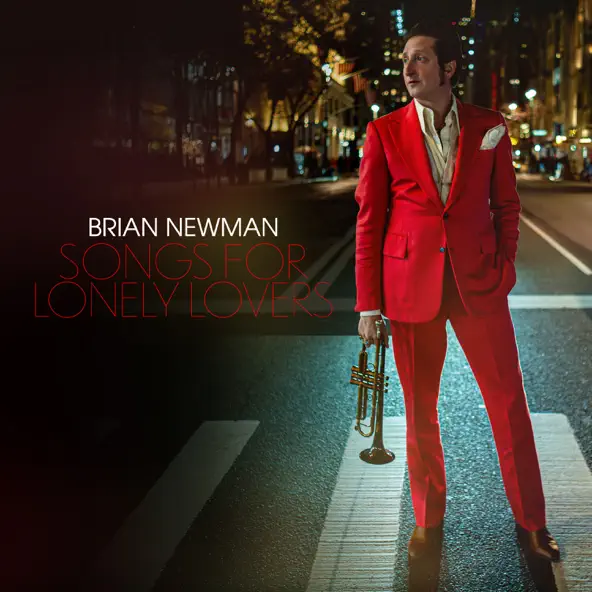
The track listing itself unfolds almost like a late-night film score. Beginning with the devastated grandeur of “The Boulevard of Broken Dreams” and ending with “Pure Imagination,” the album charts an emotional journey through solitude, memory, and eventual transcendence. It is music designed not for passive streaming playlists, but for dimly lit rooms, whiskey glasses, after-hours conversations, and moments of personal reckoning.
Across twenty selections, Newman drifts through heartbreak, longing, romantic ruin, and fragile optimism. Songs like “Drinking Again,” “Lush Life,” “Everything Happens to Me,” and “Don’t Go to Strangers” evoke the weary elegance of lonely city nights, while cuts such as “Smile,” “The Best Is Yet to Come,” and “Pure Imagination” offer flickers of hope through the darkness.
Dive deeper into the upcoming album and get more details on Brian Newmans’ podcast, in which he co-hosts with his wife, Angie Pontani. In their latest release of Showing Off with Brian Newman & Angie Pontani, Brian unveils his long-awaited new album, Songs for Lonely Lovers. Listeners are in for an intimate conversation about heartbreak, longing, and the beautifully bruised soul of the Great American Songbook.
Brian shares the emotional DNA behind Songs for Lonely Lovers, a double LP steeped in the darker corners of love songs. Drawing from personal experience, past heartbreaks, and years of hustling through the New York music scene, he reveals why the sad songs hit hardest… and how they help us heal and move on.
Newman’s ability to inhabit this world so convincingly comes from years spent living it. Beyond his acclaimed solo work, he has become one of contemporary music’s most trusted creative architects. He served as bandleader, arranger, and trumpeter for Lady Gaga and Tony Bennett’s GRAMMY-winning Cheek to Cheek and six-time GRAMMY-nominated Love for Sale. He co-produced Gaga’s rendition of “La Vie En Rose” for A Star Is Born, contributed orchestrations to Harlequin, and appeared on the soundtrack for Joker 2: Folie À Deux.
Meanwhile, his celebrated AFTER DARK residencies in New York City and Las Vegas have transformed into modern cabaret institutions, featuring appearances from artists including Lady Gaga, Ashanti, Robbie Krieger, and Terence Blanchard. His role as musical director for Bruno Mars’ The Pinky Ring and his curation work at venues such as Aman New York and San Vicente Bungalows further solidify Newman as one of the rare modern entertainers capable of creating true atmosphere in an increasingly artificial age.
What makes Songs for Lonely Lovers resonate so strongly is Newman’s refusal to separate sophistication from sincerity. Beneath the threads, cocktail lounges, and orchestral arrangements lies something deeply human: loneliness, longing, and the universal search for connection. And perhaps that is why Brian Newman continues to stand apart. While much of modern music races toward immediacy and excess, Newman moves deliberately in the opposite direction — preserving the beauty of slowness, nuance, and emotional honesty.
With Songs for Lonely Lovers, Brian Newman once again proves that the lonely still have a soundtrack. And somewhere beyond the midnight hour, the trumpet still echoes through the darkness.